

Continuing our series on modernizing your information management approach.
Last week, we explored the initial steps of going from paper to digital in our previous post.
Today, we're building on that foundation to discuss what might be the most critical aspect of records and information management: knowing what you have and being able to find what you need.
Like what you see? Want to see more? I invite you to chat with my team at Shinydocs.
What Does It Mean to "Know What You Have"?
Earlier this month, Shinydocs hosted several focus groups with organizations across different sectors to understand their information management challenges.
When we met with a group of law firms, they identified our solution as valuable for one primary reason - it actually showed them what they had. Literally, what documents and information existed in their systems.
It sounds almost too simple, but think about it:
How can you manage what you can't quantify? How can you find documents when you don't know what systems they are in - or if they still exist?
This basic capability (knowing what information assets you possess) is the foundation everything else builds on. Without it, even the most sophisticated systems won't be helpful.

The Reality of Information Management Today
In our focus group with local government, we heard a troubling but common story.
They had spent two years (yes, you read that right - two years!) searching for a records solution that would work for their specific needs. Two years later, and they still hadn't found one they believed would actually work and the costs were outrageous.
Here's the hard truth about the current records management landscape:
- Organizations are spending $50,000 to $250,000+ annually on software and cloud, and far more than that on over-stressed (and sometimes under-skilled) staff to support this effort.
And for what? Often just to have a system that keeps your data someplace else that is slower - while never really eliminating the current locations like file shares.
A Two-Step Approach That Actually Works
Before you do anything else, establish these fundamentals:
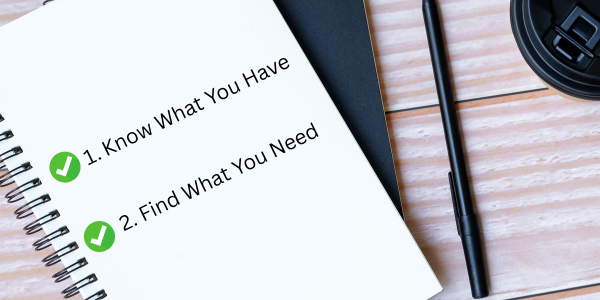
- Know what you have. If you don't know what information assets exist in your organization, stop right there. Don't engage with a records or information system yet.
- Make sure you can find what you need. If your current setup doesn't allow people to locate what they need to do their jobs regardless of where it is store, fix that first. Adding another system will only make the problem worse.
Only after these foundations are solid can you decide where your information should live and have any hope of a successful migration. Often, once *know* and *find* are in place - customers realize they don't need another system.
Don't Overcomplicate
I want to be clear, there's nothing inherently wrong with sophisticated record systems.
The problem comes when organizations try to force everything into a solution and force users to change their behaviour. It does not work.
If there's specific data that would benefit from features in platforms like SharePoint, then by all means, use it for that purpose. But don't try to fit everything into one place just because a vendor tells you that's the "right" approach.
Moving Forward
As we discussed in our conversation with Craig Lau and as explored in our piece on "Real-Time Information" with fellow AIIM board member Alyssa Blackburn, the power of having the right information at the right time cannot be overstated.
Last week we talked about getting from zero to one (from paper to digital). This week was step one to two (from digital to knowledge).
Keep it simple. Know what you have. Find what you need. Then and only then decide where your information should live.



Comments